
Handmade Murano glass Italy
What is Murano glass? A story of fire, secrets, and mastery
When speaking of Murano glass, one is not simply talking about a decorative object. We are talking about over a thousand years of history, jealously guarded secrets, and an artisanal tradition that has made Venice famous throughout the world.
The origins of glassmaking in the Venetian lagoon date back to the 10th century. However, the decisive moment came in 1291, when the Republic of Venice ordered that all glass furnaces be moved to the island of Murano. Officially, the decision was made to prevent fires that threatened the city's wooden houses. But there was another, even more important reason: to protect the secrets of glassmaking.
The master glassmakers were considered a strategic resource of the State. Their knowledge was so valuable that they could not freely leave Venice. In exchange, they received extraordinary privileges, wealth, and social prestige. European noble families competed to acquire their masterpieces.

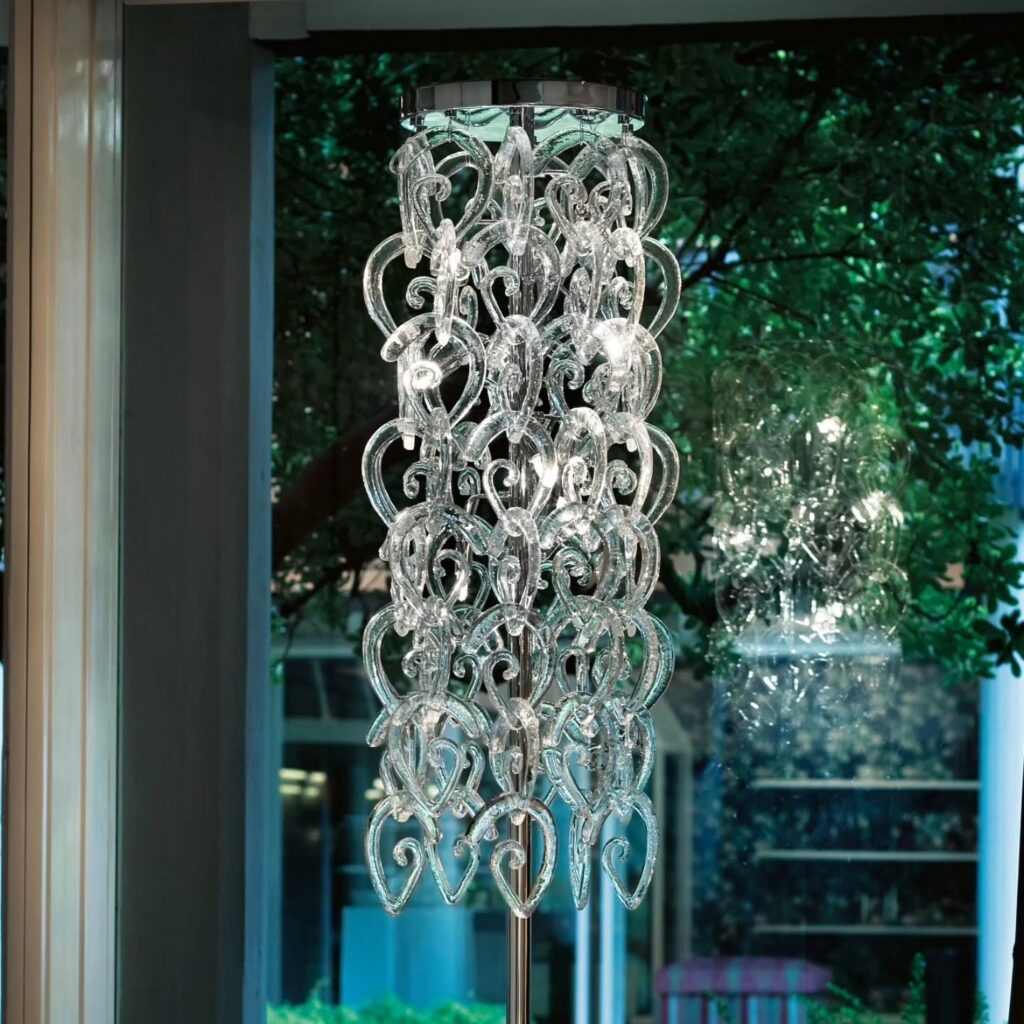
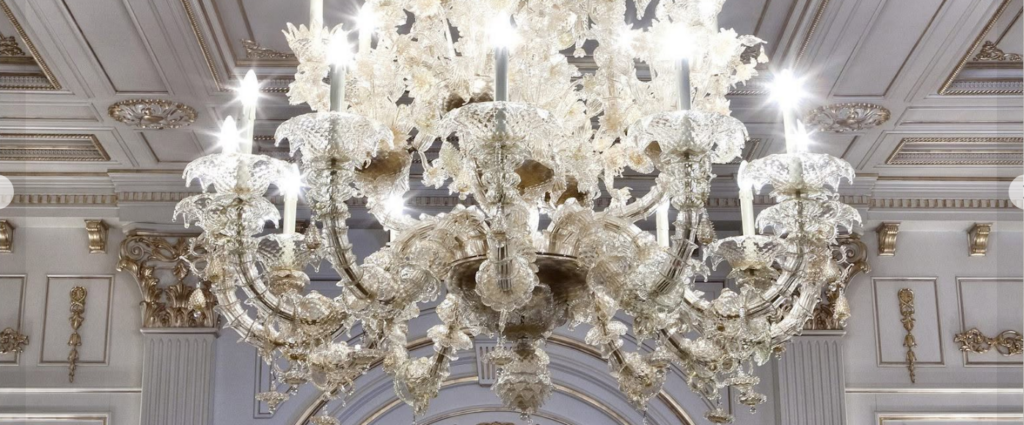
During the Renaissance, Murano reached its Golden Age. It was here that Angelo Barovier perfected the famous “Venetian crystal,” a glass so pure and transparent that it looked like solidified water. The chandeliers, mirrors, and goblets from Murano decorated royal palaces and European courts, including the famous Palace of Versailles.
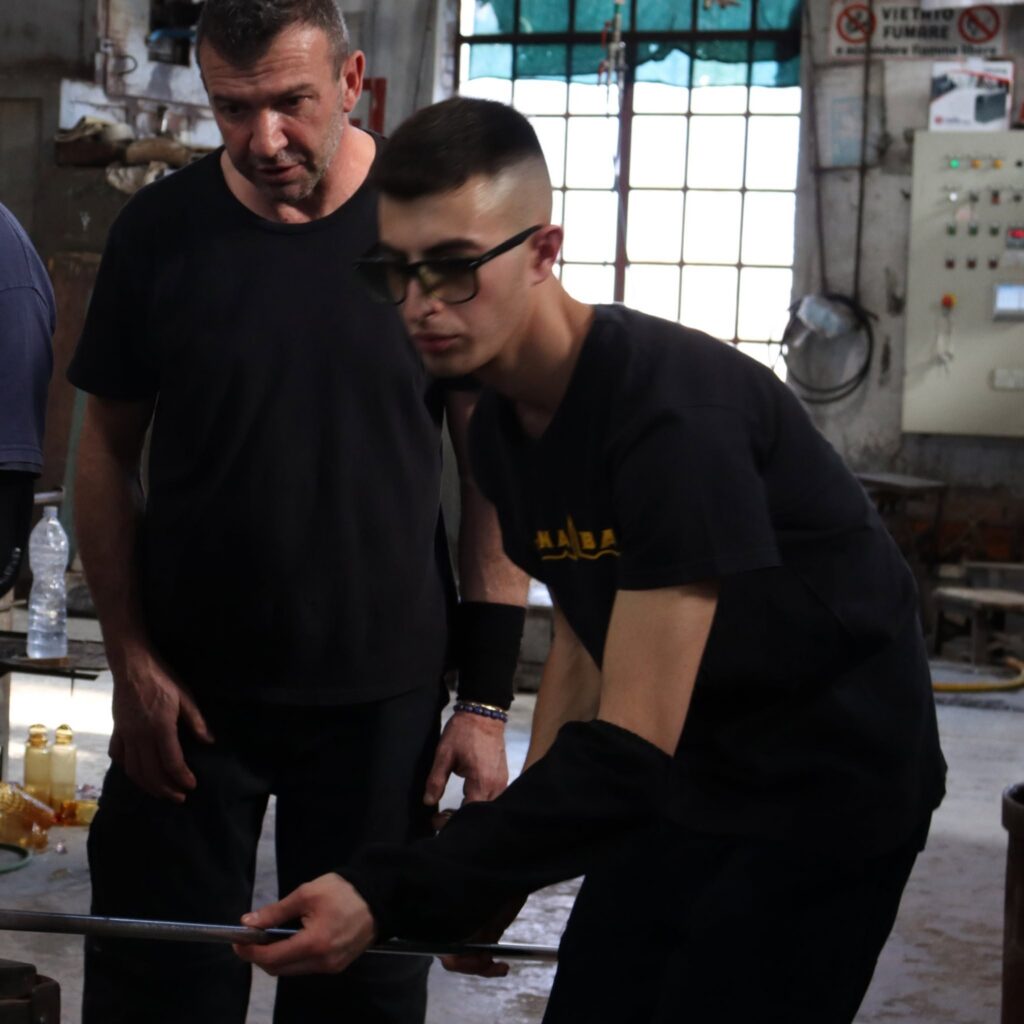
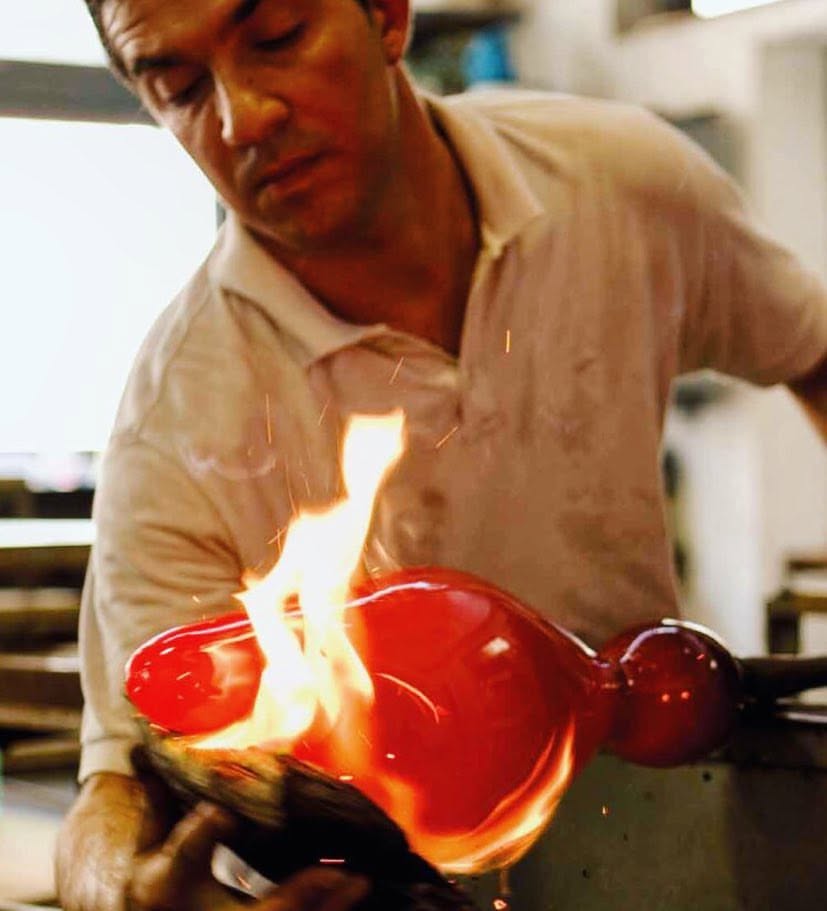
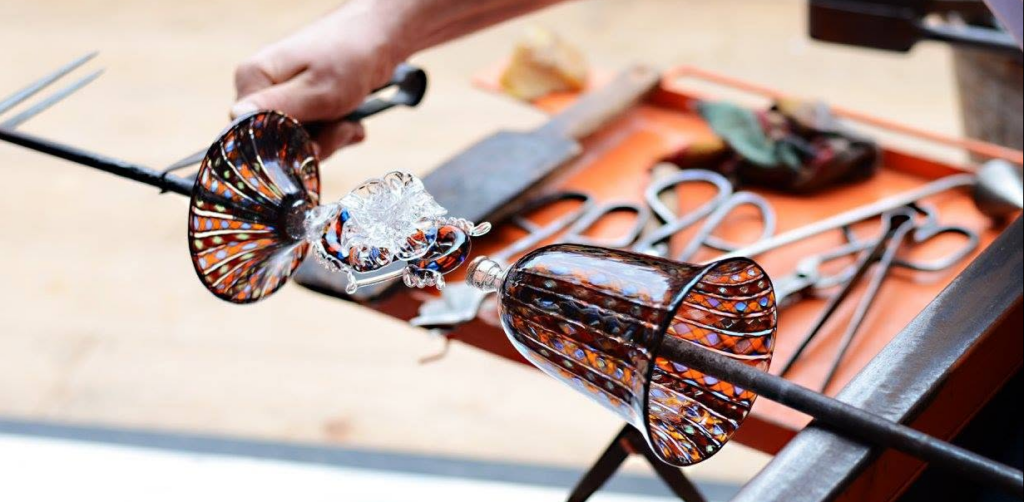
What makes Murano glass unique is not only its beauty. Every piece is born from the dialogue between fire and the artisan's hands. Molten glass is shaped at extremely high temperatures through techniques passed down from generation to generation. Each work is different from the other, with slight variations that bear witness to manual labor.
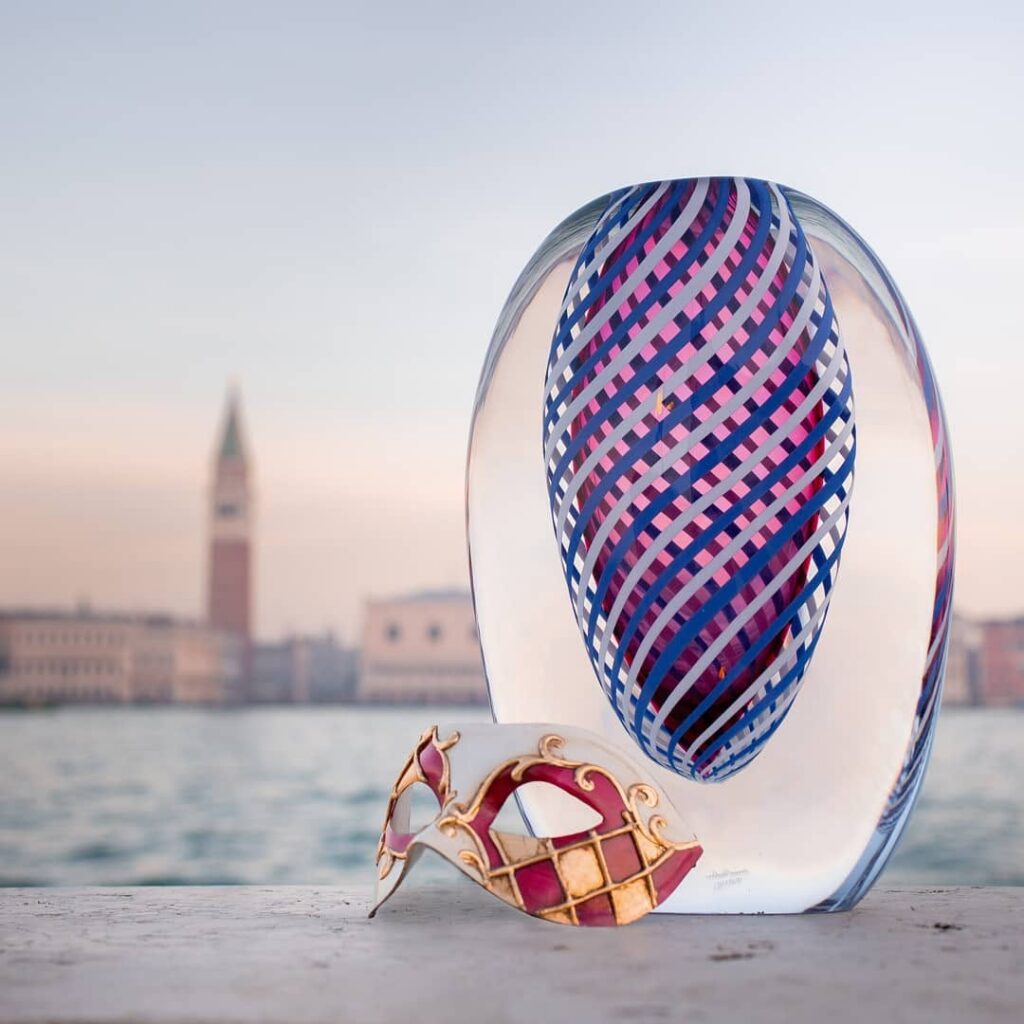
Even today, Murano masters use historical techniques such as Millefiori, Reticello, Avventurina, and Blown Glass. Some contemporary works reach very high values in international auctions, transforming into authentic collector's items.
Buying a Murano piece means owning not only a work of art, but a piece of Venice’s history, shaped by fire and preserved over the centuries.

How to recognize real Murano glass: a guide to avoiding imitations
Murano glass is one of the most imitated Italian artisanal products in the world. In recent decades, the market has filled with items sold as “Murano style” despite having no connection to the Venetian island. For this reason, it is important to know how to recognize an authentic piece.
The first thing to check is the official “Vetro Artistico® Murano” mark. Introduced by the Veneto Region in 1994, this seal certifies that the object was actually produced on the island of Murano. The mark is accompanied by an identification code that allows you to trace it back to the glassworks where it was made.
Another important detail is the signature of the master glassmaker or the furnace. Many fine creations feature a hand-engraved signature on the bottom of the piece. Historic names and renowned furnaces represent a guarantee of authenticity and quality.
Next, take a close look at the glass. Unlike industrial products, hand-blown glass often has tiny air bubbles, slight asymmetries, and minor variations in shape. These are not defects, but rather traces of the artisan’s craftsmanship.
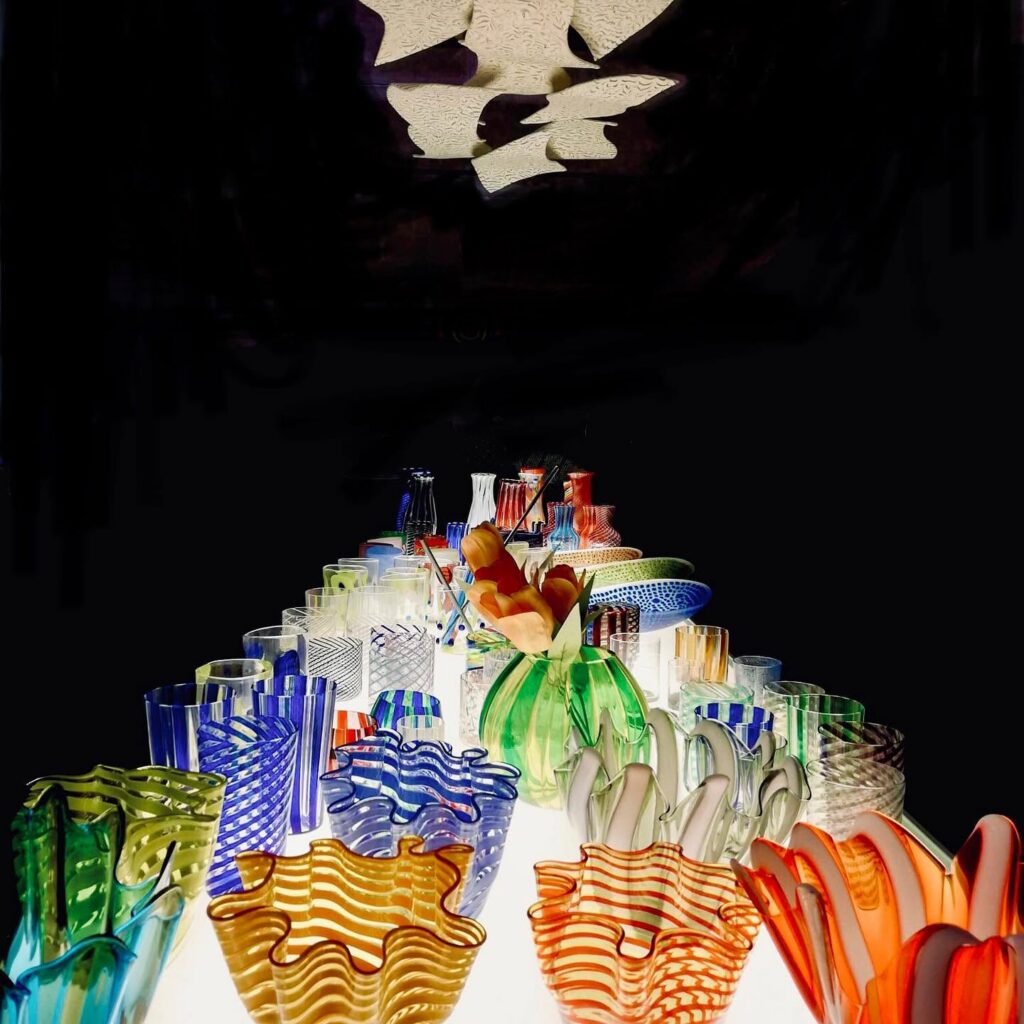
Colors, too, tell a story. Authentic Murano glass is famous for its deep, brilliant hues, rich in nuances. Master glassmakers use formulas passed down through the centuries to achieve color effects that are impossible to replicate using inexpensive industrial processes.
Weight can be another useful clue. Authentic pieces are often heavier than mass-produced imitations. The density of the material and the quality of the craftsmanship contribute to the feeling of solidity.
Finally, pay attention to the price. Crafting a Murano glass item requires experience, time, and high-quality materials. If a product is offered at a surprisingly low price, it’s reasonable to ask yourself a few questions.
Remember: buying an authentic piece of Murano glass means supporting a centuries-old tradition of craftsmanship and preserving one of Italy’s most precious cultural heritages.
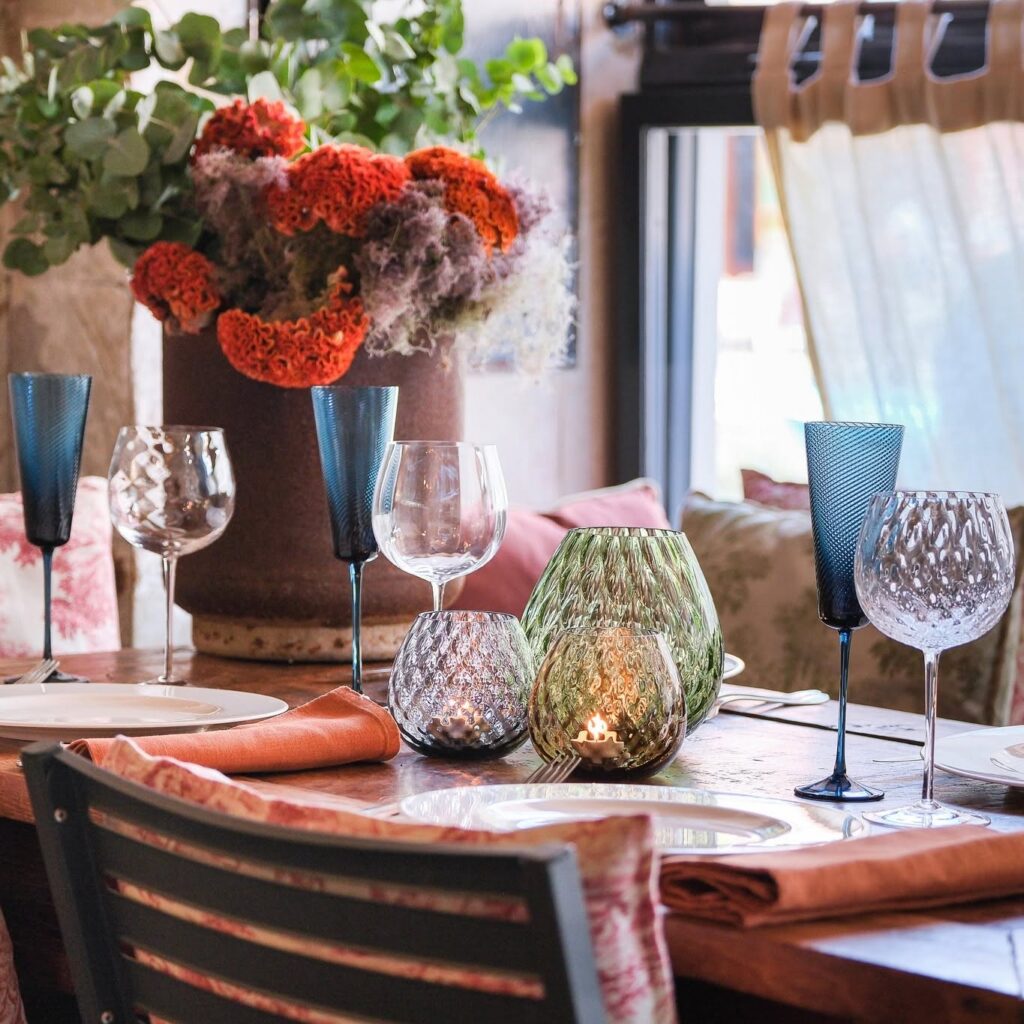
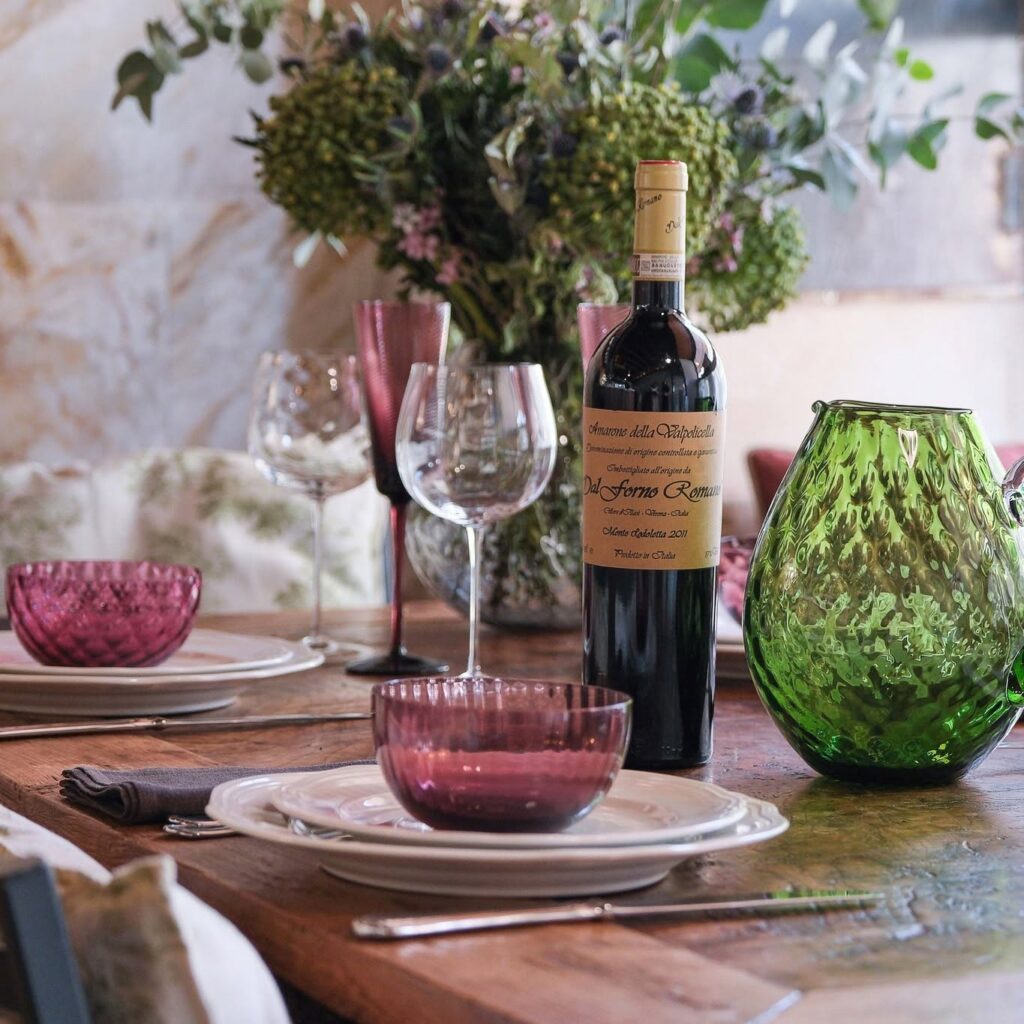
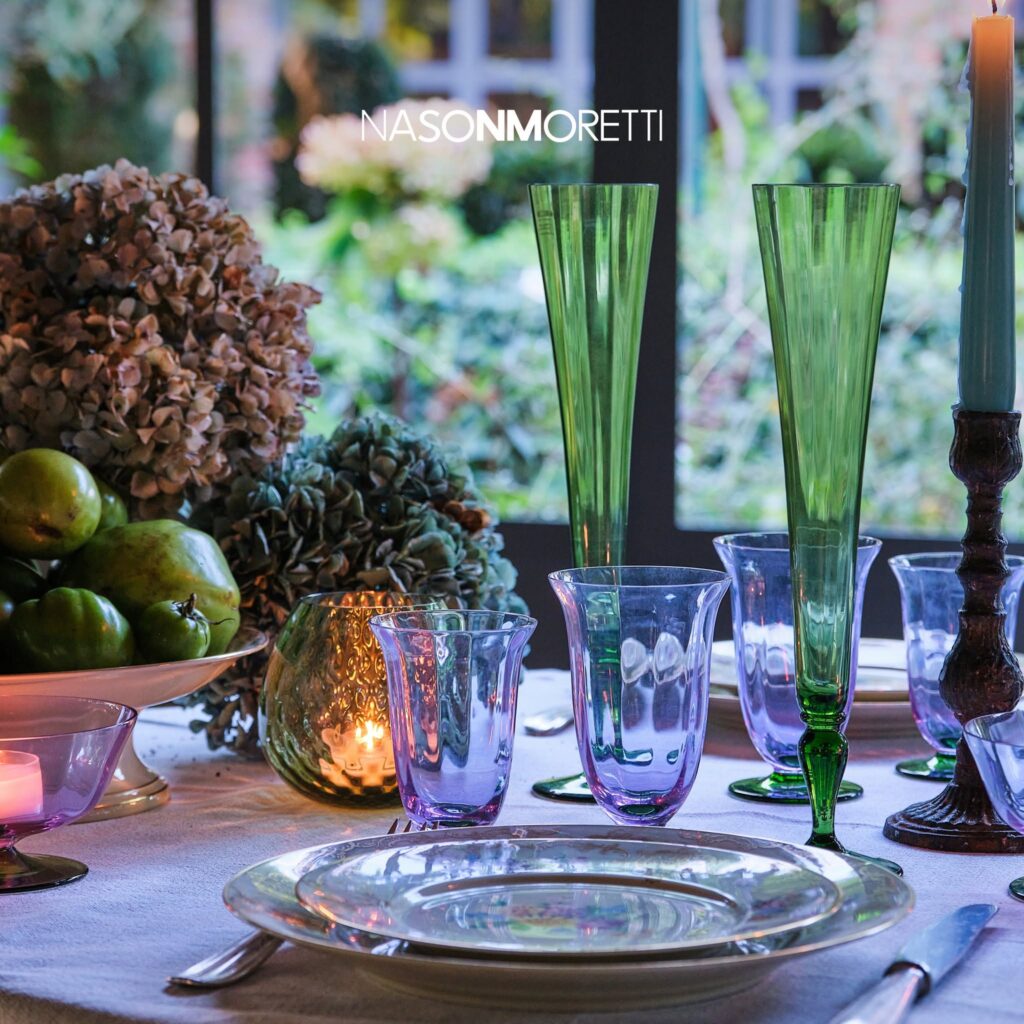
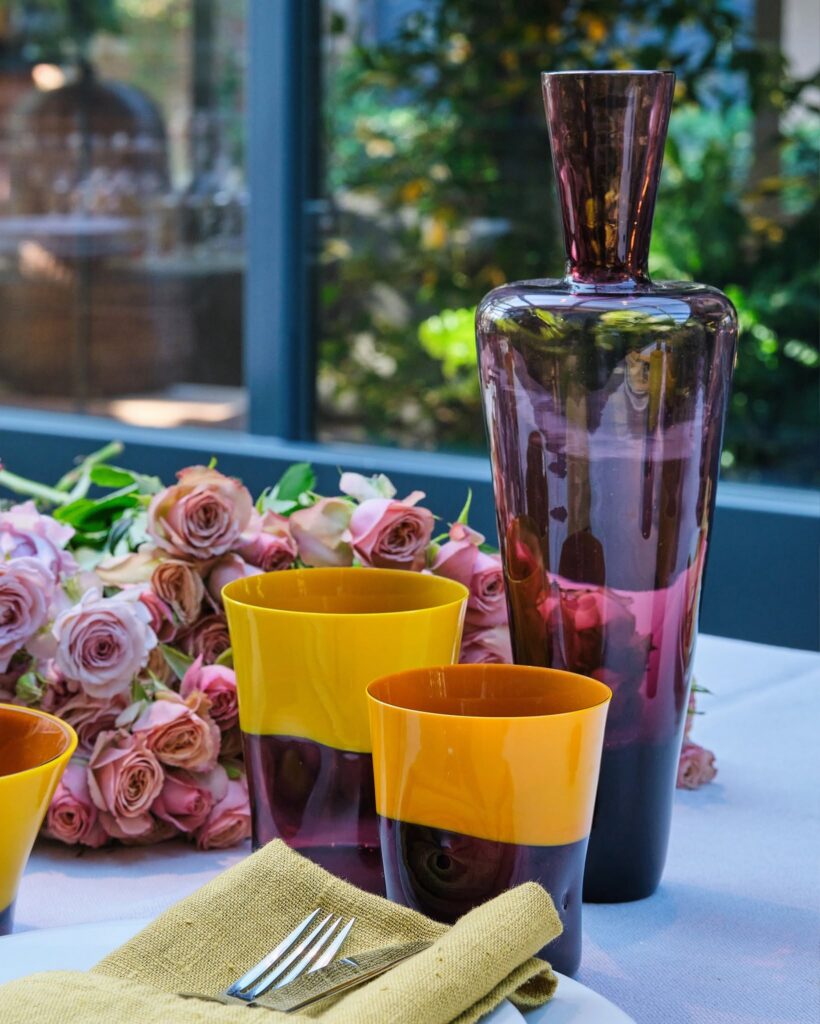
Storytelling
Legends, Mysteries, and Beliefs Surrounding Murano Glass
Behind the beauty of Murano glass lies a world of legends, superstitions, and tales passed down through the centuries. For many of the island’s inhabitants, glass was not merely a precious material, but an almost magical substance.
One of the most fascinating stories is connected to the Basilica of Saints Mary and Donatus. According to tradition, Saint Donatus is said to have defeated a terrible dragon that was threatening the people. Even today, large bones—which legend attributes to the monster—are preserved behind the altar. Some folk tales claimed that glass had the power to capture the essence of magical creatures and protect its owner.
St. Nicholas, the patron saint of glassmakers, also holds a special place in the collective imagination of Murano. Tradition has it that he saved some children from a fire that broke out in a glass furnace. Ever since, master glassmakers have invoked him as their protector against fire—an indispensable yet dangerous element.
Another legend concerns the famous “Rosetta” pearl, created in the 15th century. This multicolored pearl was so highly prized that it was used as a medium of exchange in international trade. Many believed it possessed protective powers and wore it as an amulet against bad luck.
Superstitions were also common inside the furnaces. For centuries, it was believed that the tiny imperfections in the glass contained the artisan’s life force. A perfectly uniform object was considered cold and soulless, while small irregularities were seen as the mark of the human hand.
There is also a darker chapter in Murano’s history. During the 15th and 16th centuries, the secrets of glassmaking were so valuable that master glassmakers were not allowed to leave the Republic of Venice freely. Chronicles recount that anyone who attempted to reveal these techniques abroad risked severe punishment. This helped fuel the myth of glass as forbidden knowledge that was jealously guarded.
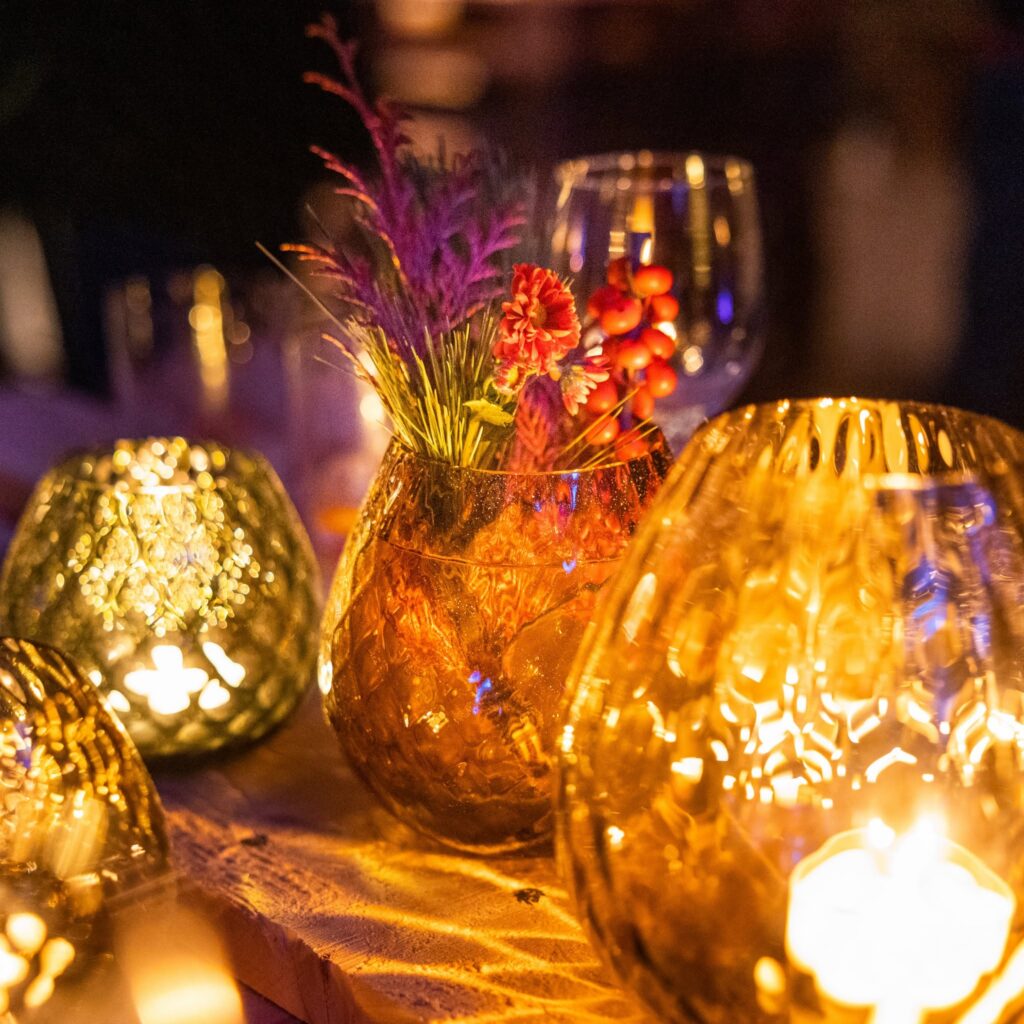
Even today, when we look at a Murano piece illuminated by light, we can imagine centuries of fire, mystery, ingenuity, and passion encapsulated in a single object.

Explore the key statistics on Murano glass
On the island of Murano, there are currently between 30 and 60 historic glass furnaces and artisanal workshops dedicated to glassmaking. The entire supply chain of the lagoon district includes over 100 companies.
The exact number varies depending on size: Large Glassworks and Historic Companies: Several dozen well-established firms (including Barovier & Toso) that employ master glassmakers for large-scale production and works of art.
Small Studios and Workshops: Many smaller, more intimate workshops where artisans specialize in glassblowing, lampwork, or the creation of murrine.
Trademark of Origin: About 50-60 of these businesses belong to the Promovetro Murano Consortium and are authorized to use the Vetro Artistico® Murano trademark.
1.000
Over 1,000 years of unbroken tradition
The earliest records of glassmaking in the Venetian Lagoon date back to the 10th century. Even today, many techniques are still passed down from generation to generation.
7000
One-of-a-Kind Creations
A collection of authentic works created in recent years, reflecting creativity and tradition.
450
Annual Exports
Estimated value of Murano glass exports worldwide each year.
737.000
Auction Record for a Murano Glass Piece
In 2017, the sculpture The Venice Sentinel by Thomas Stearns sold at auction for over $737,000, setting one of the world records for Murano glass.
All about Murano Glass
Explore the fascinating history, the secrets of authenticity, and the legends that make Murano glass unique.

History of Glass
A journey through the origins and evolution of this ancient Venetian art form.

Recognizing Authenticity
Discover the traditional methods to identify real Murano Glass and avoid copies.

Legends and Myths
Immerse yourself in the stories and tales that surround this precious glass.